
Book Now

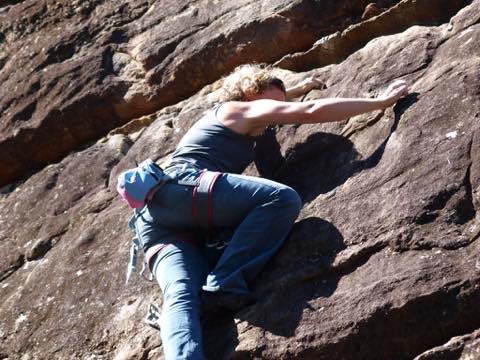
Wollongong winter weather can tempt climbers outside too soon. Use this rain-check guide to protect wet rock and train smart at Hangdog.
Subheading: Wollongong’s first week of winter has showers, a sunny-looking weekend, and plenty of outdoor temptation. Here is a simple local guide to deciding when to head for real rock and when to keep it smart on the plastic.
Wollongong has entered winter in classic Illawarra style: a bit of rain, a bit of cloud, a few promising sunny patches, and everyone suddenly becoming a part-time weather expert.
If you climb, that forecast matters. A dry-looking Sunday can make Nowra, the escarpment, or a local outdoor mission feel very tempting. But after rain, especially on sandstone, “looks dry from the car park” is not the same as “ready to climb.”
This is your simple rain-check guide for the week. No lectures. No guilt trip. Just a practical way to make a good call, protect the rock, and still get a satisfying session if the outdoors needs another day to dry.
A lot of popular outdoor climbing areas around NSW include sandstone or other porous rock. Porous rock can soak up moisture below the surface. That means the outside might feel dry while the inside is still holding water.
When sandstone is wet, holds can become weaker and more likely to snap. That is bad for the climber, bad for the route, and bad for everyone who wanted to enjoy that climb after you. The Access Fund puts it very simply: do not climb on wet sandstone. It also notes that 24 to 48 hours may be enough after light rain in good drying conditions, but cool, humid, shady, or heavy-rain conditions can mean waiting several days.
In other words, patience is not being soft. It is good climbing manners.
Winter can be brilliant for climbing. Cooler temps, less sweaty chalk soup, and crisp mornings all sound great. The tricky bit is that winter drying can be slower. Shorter days, shady rock, sea air, and cool temperatures can all keep moisture hanging around.
This week is a perfect example. The Bureau of Meteorology forecast for North Wollongong includes showers early in the week, partly cloudy days, and a sunnier-looking Sunday. That does not automatically rule outdoor climbing out, but it does mean the smart move is to check conditions carefully instead of just checking the vibe.
The vibe is powerful. The vibe is not a moisture meter.
Before you pack the car, ask these questions.
QuestionGreen lightRed flagHas it rained recently?No rain for a couple of dry, breezy daysRain in the last 24 hours, or heavier rain recentlyIs the weather helping?Sun, breeze, low humidity, warmer tempsCool, still, humid, cloudy, or shady conditionsWhat does the base look like?Dry, dusty ground and dry approach tracksDamp sand, mud, puddles, wet leaves, or seepageHow does the climb feel?Holds feel dry and solidAny dampness, dark patches, grit, or crumbly textureAre locals saying wait?Local guides or experienced climbers say it is dryPeople are unsure, or the answer is “maybe”
If the answer is “maybe,” treat it as a no. The route will still be there later, which is exactly the point.
You will often hear climbers say to wait 24 to 48 hours after rain. That is a useful starting point, not a magic spell.
A light shower followed by sun and wind is very different from steady rain followed by a cold, cloudy day. A sunny face can dry faster than a shaded gully. A breezy spot can dry faster than a still one. Rock can also be wet deeper inside even when the surface looks fine.
A better rule is:
That last option is not a consolation prize. It is a good plan.
If the rock is damp, use the indoor session to prepare for the next dry window. You can make it specific, useful, and still fun.
Pick easy routes and try to place your feet without scraping or thumping. Outdoor climbing rewards careful footwork. Indoor walls are perfect for practising it without wondering whether that foothold is secretly wet.
On boulders, practise down-climbing where it is safe. On ropes or auto-belays, focus on moving calmly and resting before you are desperate. Outdoor climbing feels much better when you can stay relaxed while making decisions.
Before you leave the ground, point out the holds, footholds, rests, and tricky sections. Then climb. Then ask yourself what you missed. This is one of the easiest ways to improve without needing stronger fingers.
Cold hands are not heroic. They are just cold. Spend 10 minutes warming up before trying harder climbs: easy movement, gentle fingers and wrists, shoulders, hips, ankles, then a few easy routes. Your body will thank you by not behaving like a rusty gate.
Use the session to talk with climbing partners about where you are going, what you will pack, who has the guidebook, what grades make sense, and what the backup plan is if conditions are not right. A good Plan B is how grown-up climbers avoid car park sulking.
Try this if you want structure.
TimeFocusWhat to do10 minutesWarm-upEasy movement, wrists, shoulders, hips, ankles20 minutesFootworkEasy climbs with quiet feet and slow movement20 minutesRoute readingRead, climb, then compare your plan to reality15 minutesConfidencePractise rests, breathing, and calm lowering10 minutesCool downEasy climbing, stretching, water, snack if required
The snack is often required. This is not medical advice, just lived experience.
This Sunday is also the Wollongong Running Festival, with the 5 km, 10 km, half marathon, and kids events bringing plenty of energy to the coastline. If you are running, supporting a mate, or wrangling kids at Lang Park, climbing can still fit into the week. Keep it light before race day, or use an easy session afterwards to move your body without smashing your legs.
If your legs are cooked, do not chase a personal best on the wall. Practise technique, mobility, and gentle mileage. Your calves have already filed enough paperwork.
Winter climbing around Wollongong can be excellent, but wet rock needs respect. Check the forecast, check the ground, ask locals, and be willing to wait. If the rock is not ready, Hangdog is a smart place to keep building the skills you will use outside when conditions line up.
Ready for a weather-proof session? Come in for a climb, bring a mate, and use the week to sharpen your footwork, route reading, and winter warm-up. The cliffs can wait. Your climbing does not have to.