Book Now

A wet Wollongong week does not have to stall your climbing. Try these six simple indoor drills at Hangdog to build better footwork, route reading, confidence, and recovery habits.
Wollongong weather is doing that classic Illawarra thing this week: showers, more showers, and then a cheeky extra shower just when you thought you had a dry window. The Bureau of Meteorology forecast for North Wollongong has rain chances hanging around most days this week, which makes outdoor plans a bit of a gamble.
But here is the good news: a rainy week is a brilliant time to get better at climbing.
Not because you need to train like a professional athlete. Not because you need a spreadsheet, a stopwatch, and a terrifying protein shake. A rainy week simply gives you a reason to slow down, come indoors, and work on the small skills that make climbing feel smoother, safer, and way more fun.
So if the escarpment is damp, the footpaths are slick, or your beach walk has turned into a wind tunnel, here is a practical Hangdog session plan you can use this week.
Before you tie in or clip into an auto-belay, choose one thing you want to practise. Keep it small. “Get stronger” is too vague. “Use quieter feet on easy climbs” is perfect.
Try one of these goals:
This keeps the session focused. It also stops you from doing the classic climber thing of wandering around, touching holds, saying “that looks desperate,” and somehow calling it training.
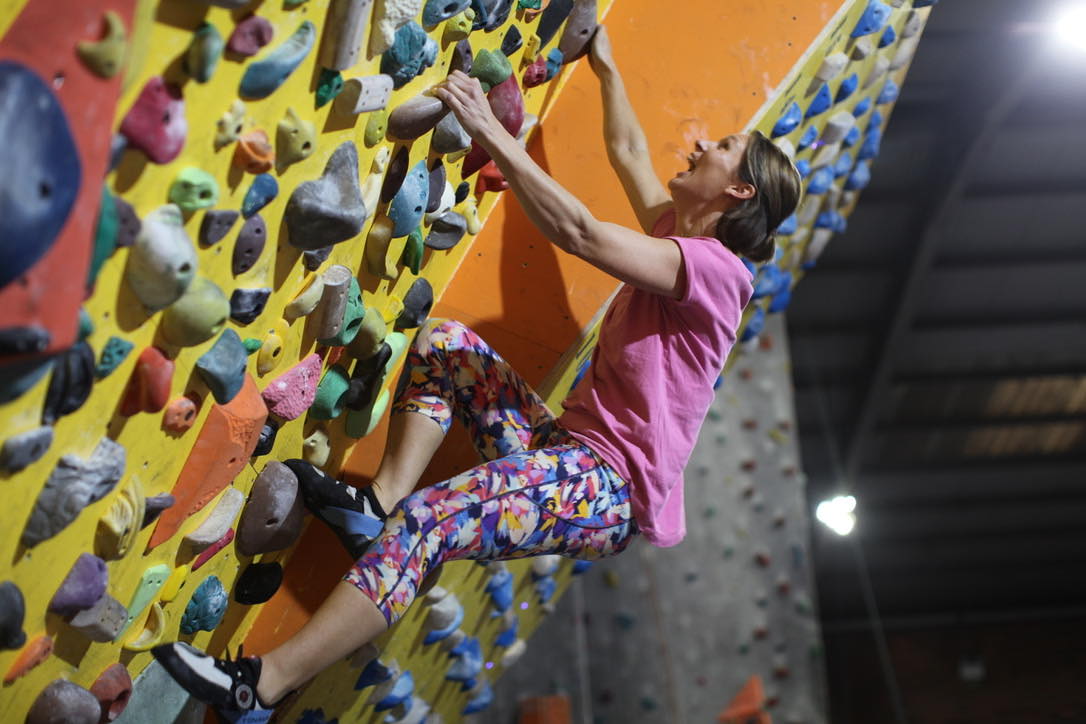
This is one of the best drills for beginners and experienced climbers alike. Pick an easy route, ideally a few grades below your usual level. Your aim is to place each foot so gently that it makes almost no sound on the hold.
If your feet are thumping, scraping, or doing a tap dance, slow down. Look at the foothold, place your toe carefully, then shift your weight onto it before moving your hands.
Quiet feet teach you to trust your legs. That matters because your legs are much stronger than your arms, and your forearms will thank you for letting them have a break.
Before you start climbing, stand on the ground and give yourself a quick route read. You do not need to solve every move. Just answer three questions:
This takes less than a minute, but it changes the whole climb. Instead of reacting move by move, you start climbing with a plan. The plan may fall apart halfway up, which is normal and frankly very climbing, but you will learn faster.
On an easier climb, try to grab each handhold once and avoid shuffling your hand around after you have placed it. This is harder than it sounds.
A lot of climbers waste energy by grabbing a hold, adjusting, adjusting again, changing fingers, overthinking life choices, and then finally moving. The no-re-grip challenge helps you become more precise.
Choose easier routes for this drill. The goal is not to scare yourself. The goal is to make clean decisions and save energy.
If it is safe and the route allows it, practise climbing down a few moves before lowering. You do not need to downclimb the whole wall. Even three or four controlled moves will help.
Downclimbing builds footwork, body awareness, and calm decision-making. It also teaches you that climbing is not just about getting to the top. Sometimes the best skill is being able to reverse a move, reset, and try again without flapping like a startled bin chicken.
If you are unsure whether a route is suitable for downclimbing, ask a Hangdog staff member first.
Auto-belays are perfect for rainy-week training because you do not need to organise a partner. Pick one easy-to-moderate auto-belay route and climb it two or three times with good rest between laps.
Keep the intensity sensible. You should finish feeling worked, not destroyed. The aim is to build mileage and confidence, especially if you are new to climbing or returning after a break.
A simple version looks like this:
| Round | What to do | Focus |
|---|---|---|
| 1 | Climb smoothly | Quiet feet |
| 2 | Climb slower | Better rests |
| 3 | Optional final lap | Calm breathing |
If your technique starts falling apart, stop there. Good practice beats messy volume every time.
Do not sprint out the door the second your session ends. Give yourself five minutes to cool down properly. Shake out your arms, stretch your forearms gently, move your shoulders, and drink some water.
If you have been climbing hard, this is also a good time to think about recovery habits. A warm shower, a decent meal, and an early night will do more for your climbing than another late-night scroll through videos of people campusing things they probably should have used their feet on.
For extra recovery, Hangdog’s Recovery Cave is there if you want to add sauna or ice bath time after a bigger session.
If you like having a plan, try this on your next visit:
| Part of session | Time | What to do |
|---|---|---|
| Warm-up | 10 minutes | Easy climbing and gentle movement |
| Skill block | 20 minutes | Quiet feet and no-re-grip drills |
| Main climbing | 30–45 minutes | Routes at your normal level |
| Confidence climb | 10 minutes | One route that feels like a fun challenge |
| Cool-down | 5 minutes | Easy movement, stretching, water |
That is it. No complicated training board. No need to crush your hardest grade. Just a useful session that makes you a better climber by the time the rain clears.
Rainy Wollongong weeks can make outdoor plans messy, but they are perfect for building the skills that pay off everywhere: better feet, smarter route reading, calmer breathing, and more confidence on the wall.
So if the forecast has ruined your walk, ride, beach day, or “I swear I was going to exercise” plan, come in for a climb instead. Bring a mate, pick one drill, and see how much smoother you can make your climbing feel.
Book a session at Hangdog or start with our first visit guide if you are new. The rain can do its thing. We will be inside, climbing anyway.